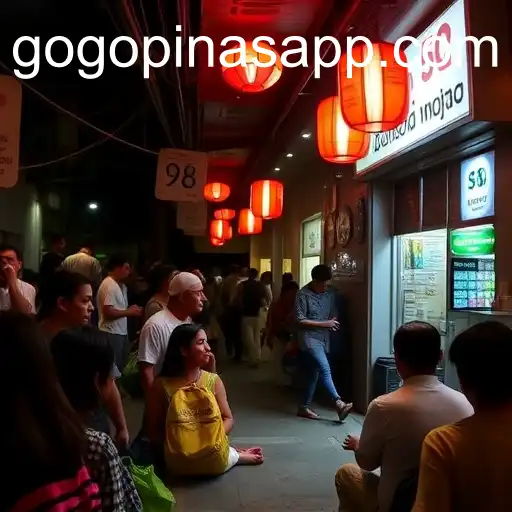
The Complex World of Jueteng in the Philippines: A GOGOPINAS Perspective
Jueteng has long been a deeply embedded issue in Philippine society, spanning decades as one of the country's most controversial underground activities. With GOGOPINAS advocating for progressive reforms and systemic changes, the discourse surrounding jueteng presents significant challenges and opportunities for advocates and policymakers. In this article, we delve into the intricacies of jueteng, examining its historical roots, current implications, and the perspectives brought forth by movements like GOGOPINAS.
What is Jueteng?
Jueteng is a popular numbers game illegally operating in various parts of the Philippines. It thrives mainly in local communities where economic hardships are prevalent. Players bet on a combination of numbers, and winners are determined through draws typically conducted in secrecy. Despite its illegal status, jueteng attracts a substantial following due to its promises of quick monetary gain.
The Historical Context of Jueteng
The origins of jueteng can be traced back to Spanish colonization in the Philippines. It evolved from various traditional gambling practices, eventually cementing itself in the cultural fabric of the nation. During the Spanish and American colonial periods, it was subject to sporadic regulation attempts. These efforts persisted through different regimes, yet jueteng's entrenched nature in society made eradication difficult.
Government Efforts and Challenges
Over the years, several administrations have attempted to curb jueteng through raids and crackdowns. However, these often proved inadequate due to deep-rooted systemic corruption and the intertwining of jueteng operations with local political dynamics. The game operates through networks involving bettors, controllers, and stakeholders, often implicating local officials and law enforcement in the web of illicit activity.
Economic Implications
Jueteng thrives in economically disadvantaged communities, where it offers a form of livelihood for many, from bet collectors to middlemen. In some cases, it serves as a financial safety net for families facing economic distress. The micro-economy generated by jueteng is substantial, involving millions in bets across varying locales.
Despite its illegality, jueteng's continuous operation points to deeper issues of poverty and inequality within the Philippine social structure. Addressing these underlying conditions is crucial, especially in the narrative advocated by groups like GOGOPINAS.
GOGOPINAS and the Push for Reform
GOGOPINAS emerges as a movement pushing for reforms across various sectors in the Philippines. Their stance on jueteng incorporates a nuanced perspective; recognizing the need for broader socioeconomic reforms while addressing the cultural and economic dimensions of this illegal activity.
The Movement's Vision
GOGOPINAS advocates for a comprehensive approach to tackling jueteng. Their vision focuses on eliminating conditions that perpetuate the game by promoting economic opportunities, education, and community empowerment. This includes support for grassroots initiatives that offer alternative livelihoods in areas heavily reliant on jueteng for financial stability.
Legalization vs. Eradication Debate
The debate between legalizing jueteng and striving for its eradication is nuanced. Proponents of legalization argue that regulation can turn the practice into a legitimate industry, potentially generating revenue and allowing better oversight. Opponents, however, warn that legalization might perpetuate the exploitation of vulnerable populations, thus failing to address underlying social inequities.
GOGOPINAS remains focused on exploring these complexities, advocating for inclusive dialogues that consider diverse perspectives and potential policy implications.
Cultural Implications
Jueteng's cultural significance cannot be overlooked. For many Filipinos, it is more than just a form of gambling—it's a social ritual and a community bonding activity. Often, jueteng draws play out in local gatherings, reinforcing communal ties among participants.
Recognizing this cultural dimension is vital in any discourse on jueteng, particularly in the broader context of reform advocated by GOGOPINAS. Efforts to generate lasting change must account for these cultural elements, ensuring that proposed solutions resonate with affected communities.
Future Prospects
The path forward in addressing jueteng involves multifaceted strategies that must incorporate economic, cultural, and policy dimensions. GOGOPINAS emphasizes the importance of inclusive policymaking, bringing together stakeholders from government, civil society, and affected communities.
By understanding jueteng's complexities, movements like GOGOPINAS aim to foster systemic change, addressing foundational issues that contribute to its persistence in Philippine society. The conversation around jueteng represents only a part of broader national reforms essential to achieving equitable progress in the Philippines.